

Senior Editor · Editorial staff
Marisol Etcheverry
Leads the publication's coverage of age spot removal and edits every story for accuracy and plain English.
16 stories by Marisol Etcheverry
 Explainer
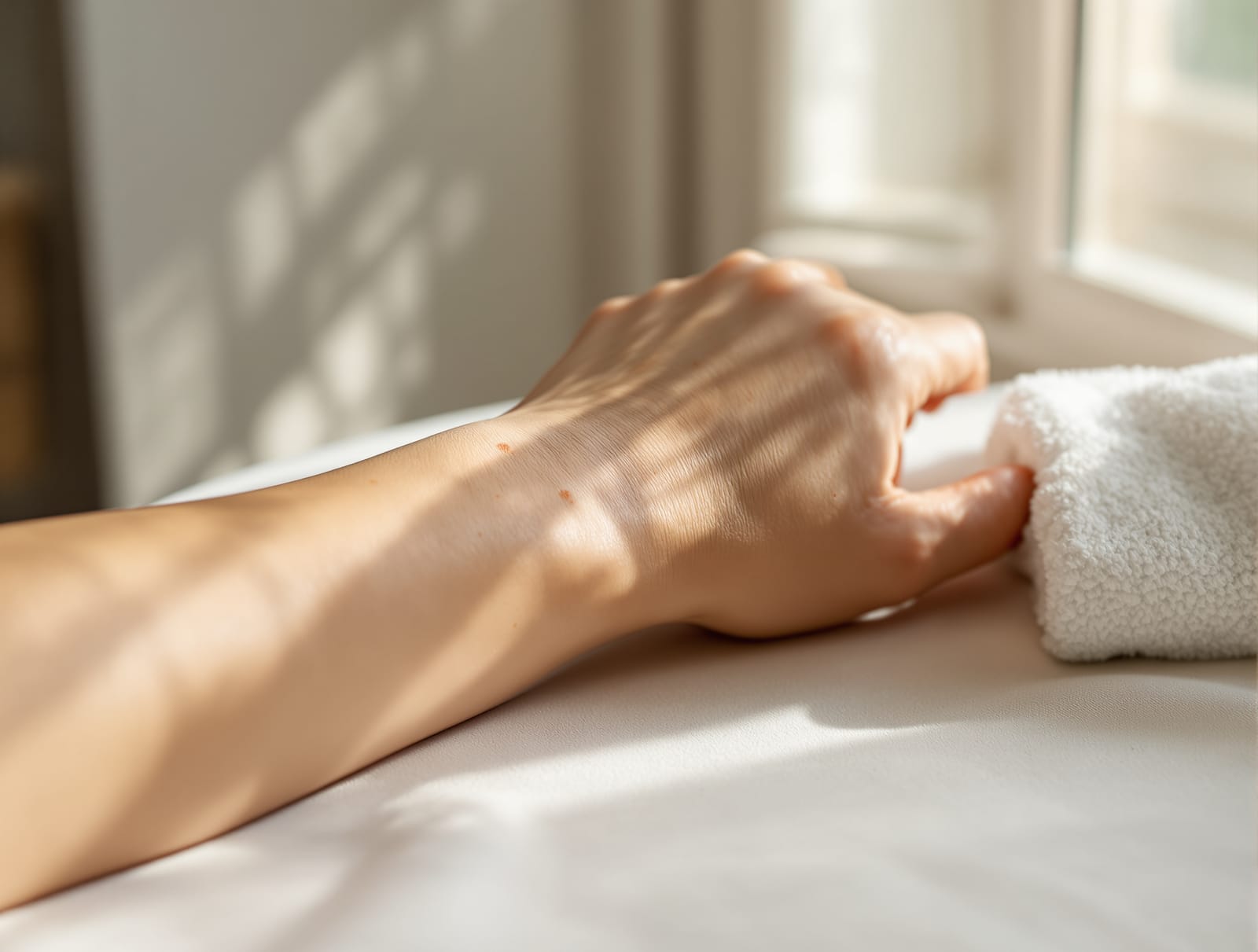
Sun spots on skin: the four-question sort that tells you which of four things you actually have
"Sun spot" is not a diagnosis, it is a lay word that covers at least four different things on sun exposed skin, and one of them is a precancer that people usually feel before they can see it. Here is a four-question sort you can run with a fingertip and a calendar, and the awkward fact that no study has ever counted how often a self-described sun spot turns out to be each one.
· Marisol Etcheverry · 7 min
 Explainer
What causes liver spots: the dose ledger your skin has been keeping
Liver spots have nothing to do with the liver and are not simply a symptom of getting older. They are a running tally of ultraviolet dose, and the clusters on your hands and face can be predicted from how you drove, worked and parted your hair decades ago.
· Marisol Etcheverry · 5 min
 Explainer
What Are Age Spots, Really? Three Definitions, and Where They Disagree
Ask three authoritative sources what an age spot is and you get three answers that quietly contradict each other. One says extra pigment, one says extra pigment cells, one says a remodeled patch of skin. Which one you believe changes what you should do about it.
· Marisol Etcheverry · 5 min
 Explainer
Why Age Spots Shrug Off Most Fading Creams, and What Actually Works on Them
Solar lentigines are not melasma. The pigment sits differently, behaves differently, and responds to a different toolkit. Here is the mechanism-level explanation most product marketing skips.
· Marisol Etcheverry · 4 min
 Explainer
Age spots on the neck: the shaded triangle test that tells you what you are looking at
The brown and red mottling on most sun exposed necks is not a cluster of age spots, and the giveaway is a patch of skin under the chin that never sees direct sun. If that patch is clean while everything around it is not, almost nothing sold for age spots will touch what you have.
· Marisol Etcheverry · 8 min
 Explainer
Why Age Spots Turn Darker Before They Fade After Laser: The Science of the "Coffee Ground" Phase
Post-laser darkening alarms many patients into thinking the treatment failed. In most cases it is the clearest sign the treatment worked. Here is what is actually happening in the skin, day by day.
· Marisol Etcheverry · 5 min
 Explainer
Before You Remove That Age Spot, Rule Out the One That Isn't
Most flat brown spots on sun-exposed skin are harmless solar lentigines, but a small subset are early melanomas that look almost identical. Here is how clinicians tell them apart, and why that matters before any laser, peel, or cream touches your skin.
· Marisol Etcheverry · 5 min
 Explainer
Before You Remove That Age Spot, Make Sure It Is Actually an Age Spot
Solar lentigines, seborrheic keratoses, and early melanoma can look surprisingly alike. Here is how clinicians tell them apart, and why the distinction should shape your treatment plan.
· Marisol Etcheverry · 5 min
 Explainer
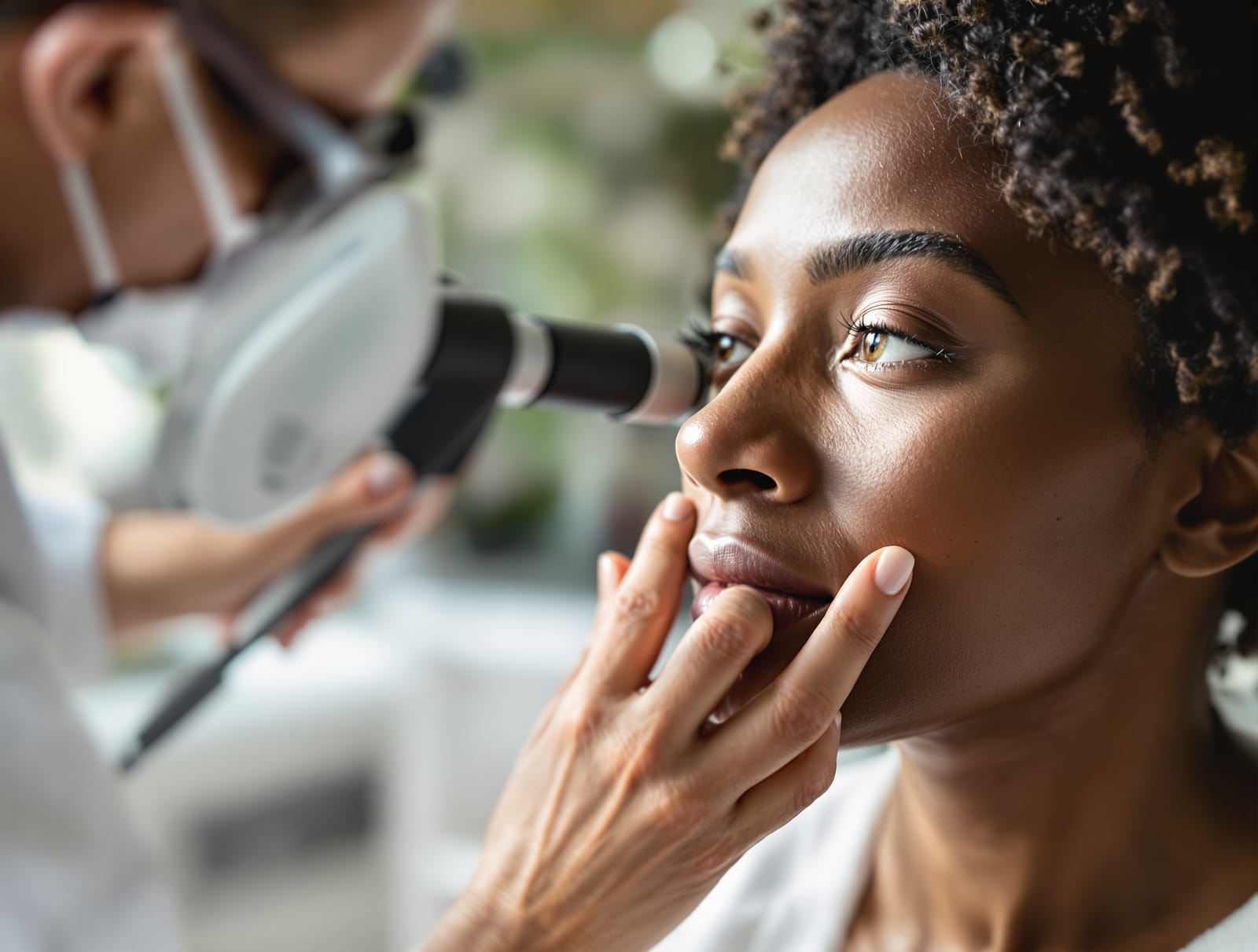
Age spots on darker skin tones: why the safe treatment list is shorter
The same pigment cells that built the spot will also react to whatever you use to remove it. On brown and Black skin that turns aggressive fading into a real risk, and it changes which tools belong in the plan.
· Marisol Etcheverry · 7 min
 Explainer
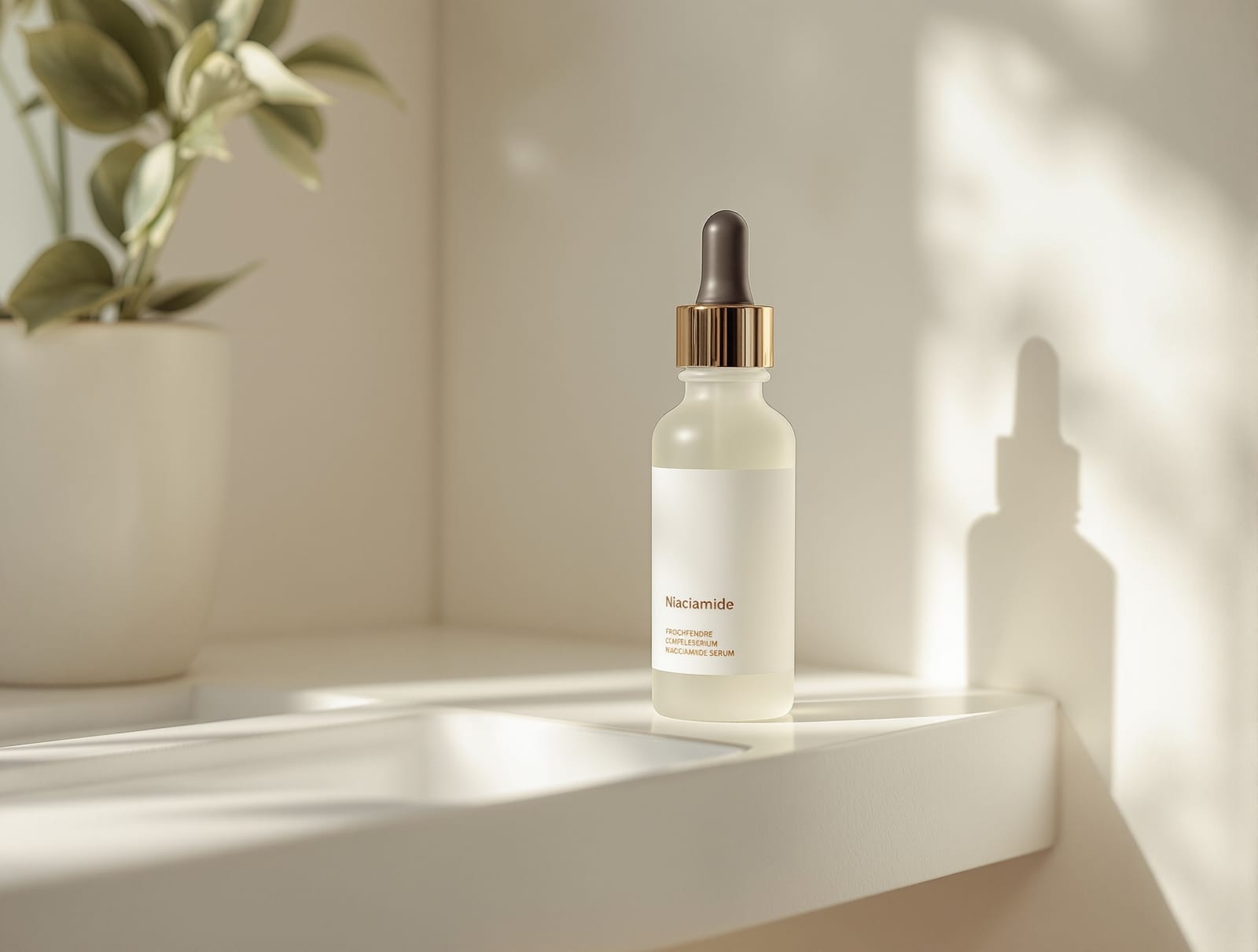
Niacinamide for age spots: what it can and cannot fade
It is in nearly every brightening serum on the shelf, it is gentle enough for daily use, and the research is genuinely encouraging. But niacinamide fades pigment through an indirect route, which means it helps some spots far more than others.
· Marisol Etcheverry · 6 min
 Explainer
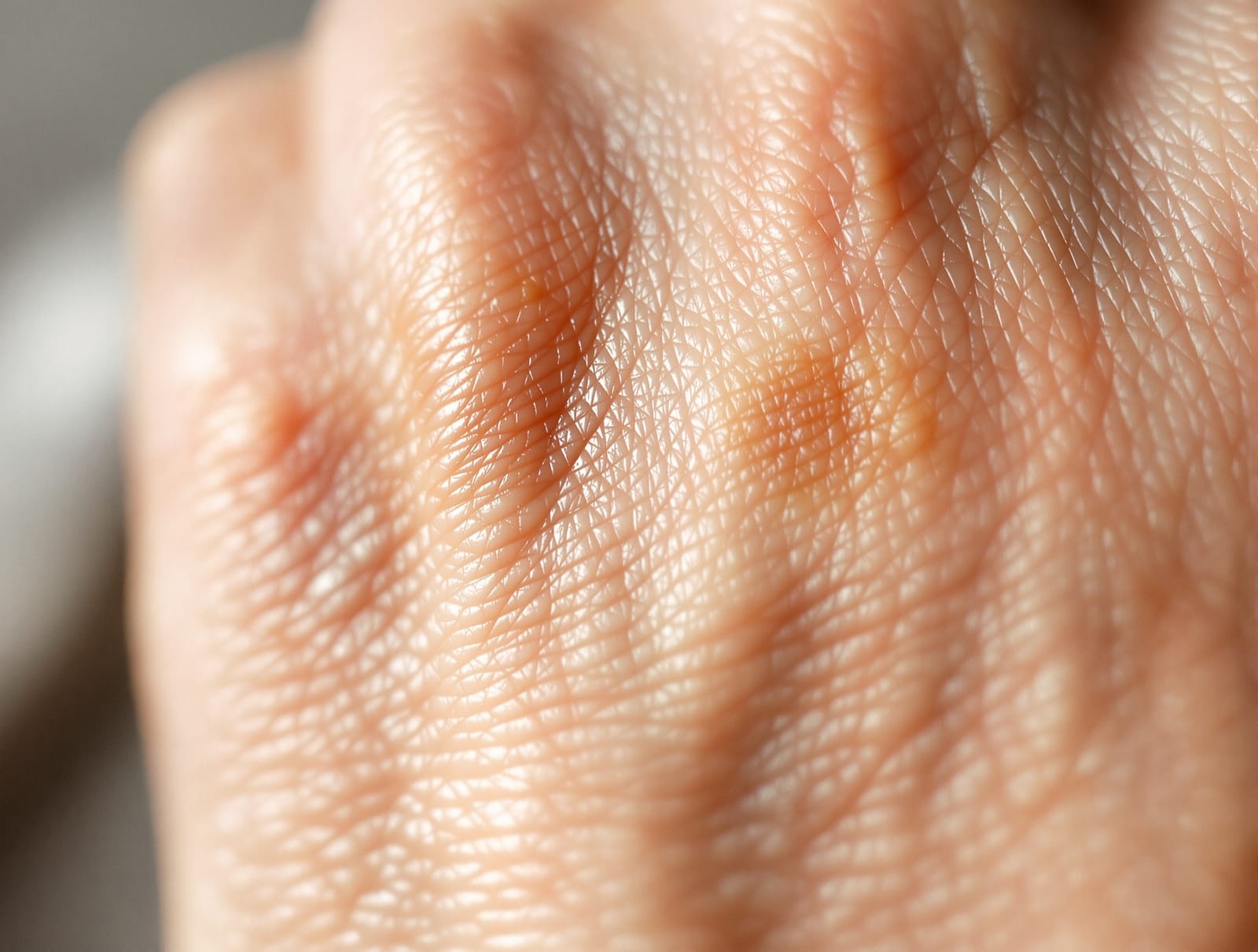
Age spot or seborrheic keratosis: how to tell two common brown spots apart
They sit side by side on the same hand, both look brown, and both are usually harmless, but one is flat pigment and the other is a raised growth. The difference decides which treatment actually works.
· Marisol Etcheverry · 5 min
 Explainer
Retinoids for age spots: what tretinoin and retinol actually do to a sun spot
The most studied anti-aging ingredient also fades pigment, but slowly and not the way most people expect. Here is what prescription tretinoin and over-the-counter retinol can and cannot clear.
· Marisol Etcheverry · 7 min
 Explainer
What age spot removal actually costs: a realistic price guide
From a quick freeze to a series of laser sessions, the real numbers behind fading a sun spot, why quotes vary so widely, and where paying more genuinely buys a better outcome.
· Marisol Etcheverry · 6 min
 Explainer
Vitamin C serums and age spots: what they can fade, and what they never will
The internet's favorite brightening ingredient does real work against dullness and blotch, but a concentrated sun spot is a different opponent. Here is where vitamin C helps and where it stalls.
· Marisol Etcheverry · 5 min
 Explainer
Do natural remedies for age spots actually work?
Lemon juice, apple cider vinegar, and aloe promise to fade sun spots for pennies, but the evidence is thin and one popular remedy can leave you darker than you started.
· Marisol Etcheverry · 5 min
 Explainer
Hydroquinone vs. Kojic Acid for Age Spots: Which Brightening Agent Actually Works?
Two of the most common topical ingredients promise to fade hyperpigmentation, but they work through entirely different biological mechanisms. Here is what the evidence actually shows.
· Marisol Etcheverry · 5 min