
Dispatch · December 11, 2025 · 7 min · By Anika Sundaresan
Hydroquinone, and the alternatives that changed the conversation
Still the most-prescribed fading agent, but no longer the only credible option.
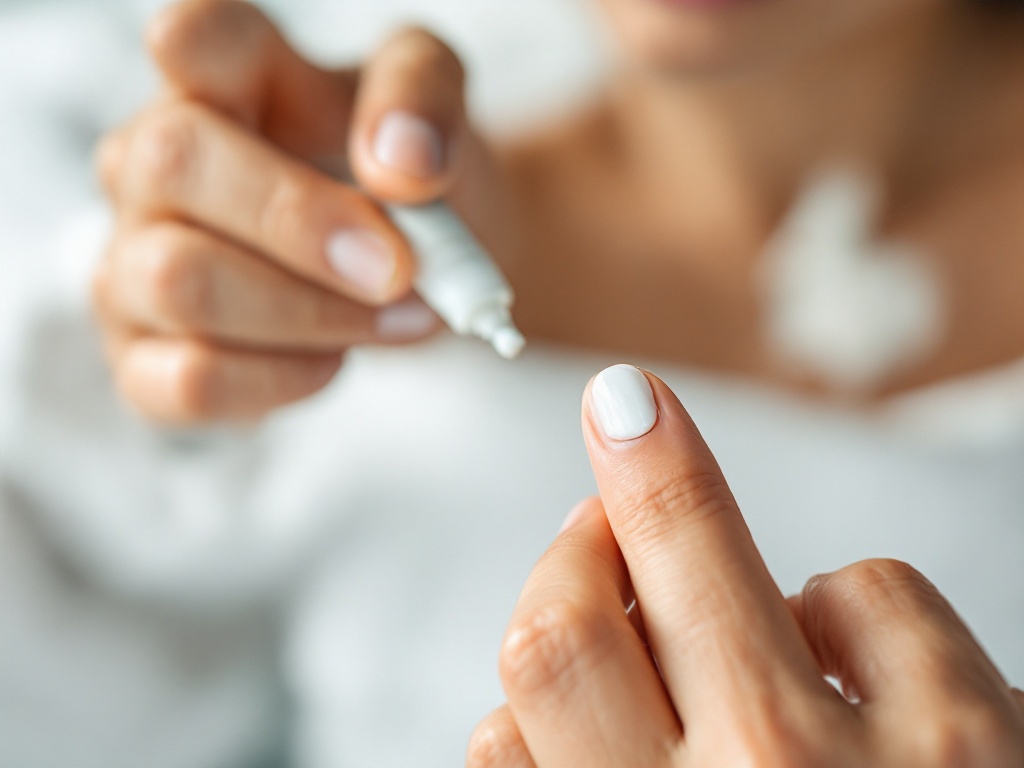
Hydroquinone blocks tyrosinase, the enzyme pigment cells use to make melanin, and at 4% prescription strength it remains the benchmark for fading lentigines and melasma. Used correctly, in cycles, with sun protection, it works.
What changed is the supporting cast. The 2020 removal of over-the-counter hydroquinone in the United States pushed both patients and clinicians toward agents that fade pigment by other routes: tranexamic acid (oral and topical), cysteamine, azelaic acid, kojic acid, and well-formulated vitamin C. These are gentler, can be used continuously, and stack well with one another.
The modern approach is rarely one product. A dermatologist might pair a short hydroquinone course to clear existing spots with a non-hydroquinone maintenance routine to hold the result, avoiding the rebound and, rarely, ochronosis that comes from using hydroquinone indefinitely.
The unglamorous truth underneath every fading routine is sunscreen. Pigment cells are reactive; UV switches them back on. No topical out-paces a daily SPF habit.
Related reading: What picosecond lasers changed about pigment removal.