
Explainer · July 5, 2026 · 5 min · By Marisol Etcheverry
Vitamin C serums and age spots: what they can fade, and what they never will
The internet's favorite brightening ingredient does real work against dullness and blotch, but a concentrated sun spot is a different opponent. Here is where vitamin C helps and where it stalls.
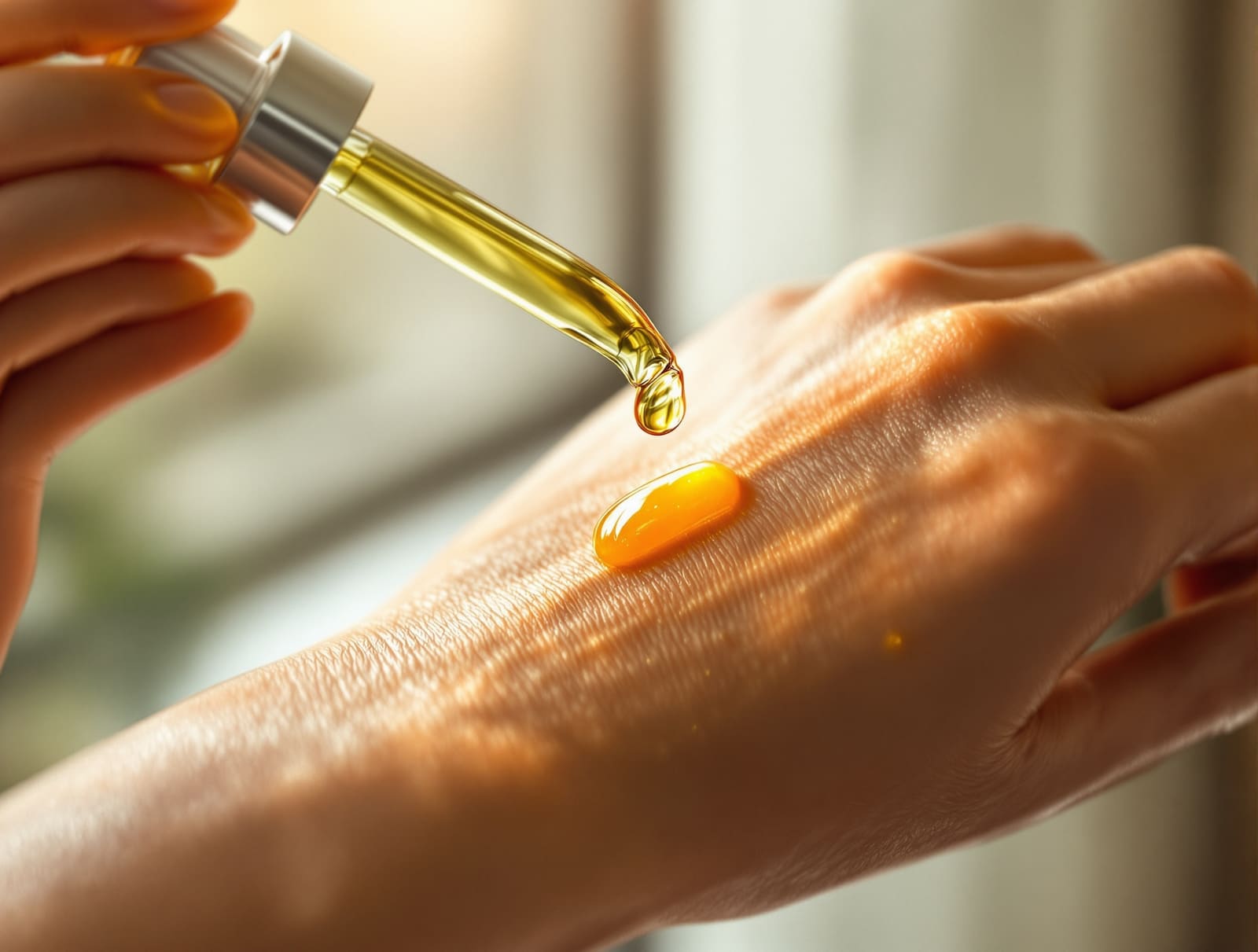
Vitamin C is the most recommended brightening ingredient on the planet. It appears in thousands of serums, anchors countless morning routines, and gets credited online with everything from erasing dark spots to reversing sun damage outright. The real record is narrower and more interesting. Vitamin C does legitimate, measurable work on skin tone. It also has a ceiling, and established age spots sit above it.
What Vitamin C Actually Does in Skin
L-ascorbic acid, the active form of vitamin C, earns its place through three separate mechanisms. It is an antioxidant, neutralizing the free radicals that ultraviolet light generates in skin before they can trigger inflammation and pigment production. It interferes with tyrosinase, the enzyme pigment cells use to assemble melanin, which slowly turns down overall melanin output. And it supports collagen synthesis, which is why long-term users often notice brighter, plumper-looking skin independent of any spot fading.
Notice what is on that list and what is not. Vitamin C reduces the production of new pigment and helps prevent damage. It does not meaningfully break up pigment that has already been deposited. A solar lentigo, the classic age spot, is exactly that: a dense, established deposit built over years, sitting in skin where the pigment machinery has learned to overproduce and keeps relapsing.
The Realistic Results Timeline
Used daily at a proven concentration, 10 to 20 percent L-ascorbic acid or a well-formulated derivative, vitamin C delivers a gradual evening of overall tone across eight to twelve weeks. Mild, recent, superficial discoloration softens. The diffuse blotchiness that surrounds true age spots often improves noticeably, which can make the spots themselves look less prominent even though they have barely changed. Studies that measure established lentigines specifically show modest lightening at best, and almost never clearance. Anyone promising that a serum will remove a decades-old sun spot is selling something.
Where vitamin C genuinely shines is in a supporting role. Layered under sunscreen each morning, it adds a second line of defense on the days when sunscreen coverage is imperfect, which is most days. Used after a laser or peel has physically removed a spot, it helps keep the pigment from rebuilding. Dermatologists tend to describe it the same way: not the eraser, but excellent insurance. For the demolition itself, in-office treatments still outperform every home option by a wide margin.
How to Buy and Use It Without Wasting Money
Vitamin C is notoriously unstable, and a brown, oxidized serum is money already spent. Look for L-ascorbic acid between 10 and 20 percent, packaged in opaque, airless containers, ideally stabilized with ferulic acid and vitamin E, and store it away from light and heat. Sensitive skin does better with gentler derivatives such as tetrahexyldecyl ascorbate. Apply in the morning on clean skin, let it absorb, then sunscreen on top. Discard any bottle that has turned the color of tea.
The Bottom Line
Keep vitamin C in the routine and keep expectations honest. It brightens the field, protects the investment, and slows the relapse. The concentrated spot on your cheekbone, though, was built by years of sun and will come off the way established pigment actually comes off: with a dermatologist, a targeted device, and a plan that a serum supports rather than replaces.
More in Explainer
View all →- Sun spots on skin: the four-question sort that tells you which of four things you actually have
- What causes liver spots: the dose ledger your skin has been keeping
- What Are Age Spots, Really? Three Definitions, and Where They Disagree
- Why Age Spots Shrug Off Most Fading Creams, and What Actually Works on Them